Export planning for EU-facing toy projects should begin before the color box is final. Fort building kits are easy to understand as products, but they still combine multiple parts, materials, labels, instructions, and sales claims. When those details are organized early, buyers and factories can avoid late corrections.
This article is a practical project-planning note, not legal advice. The important point for fort kit exporters is simple: product configuration and documentation should move together. A package file that no longer matches the actual rods, connectors, fabric, or glow claim can create unnecessary risk.
Map the final product first
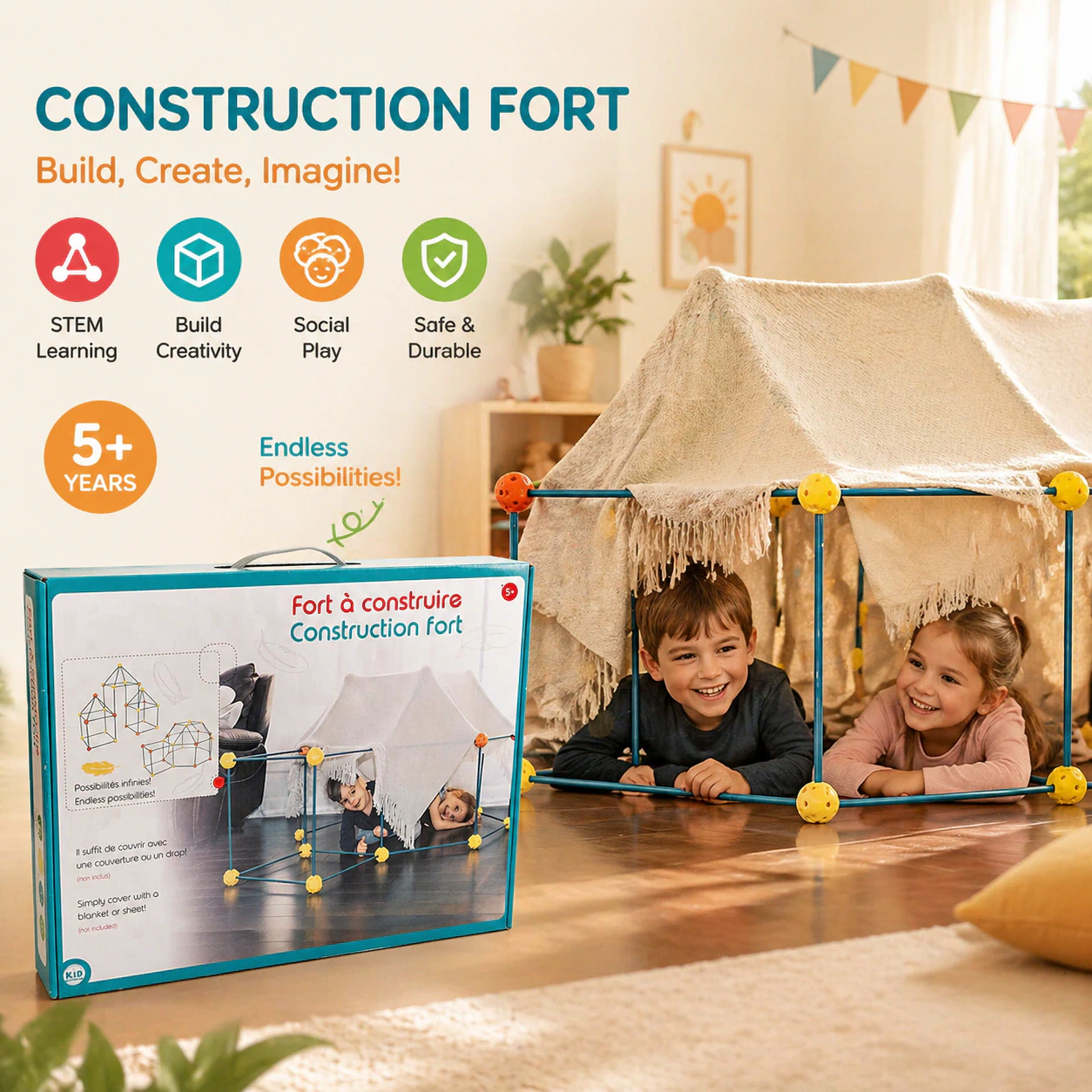
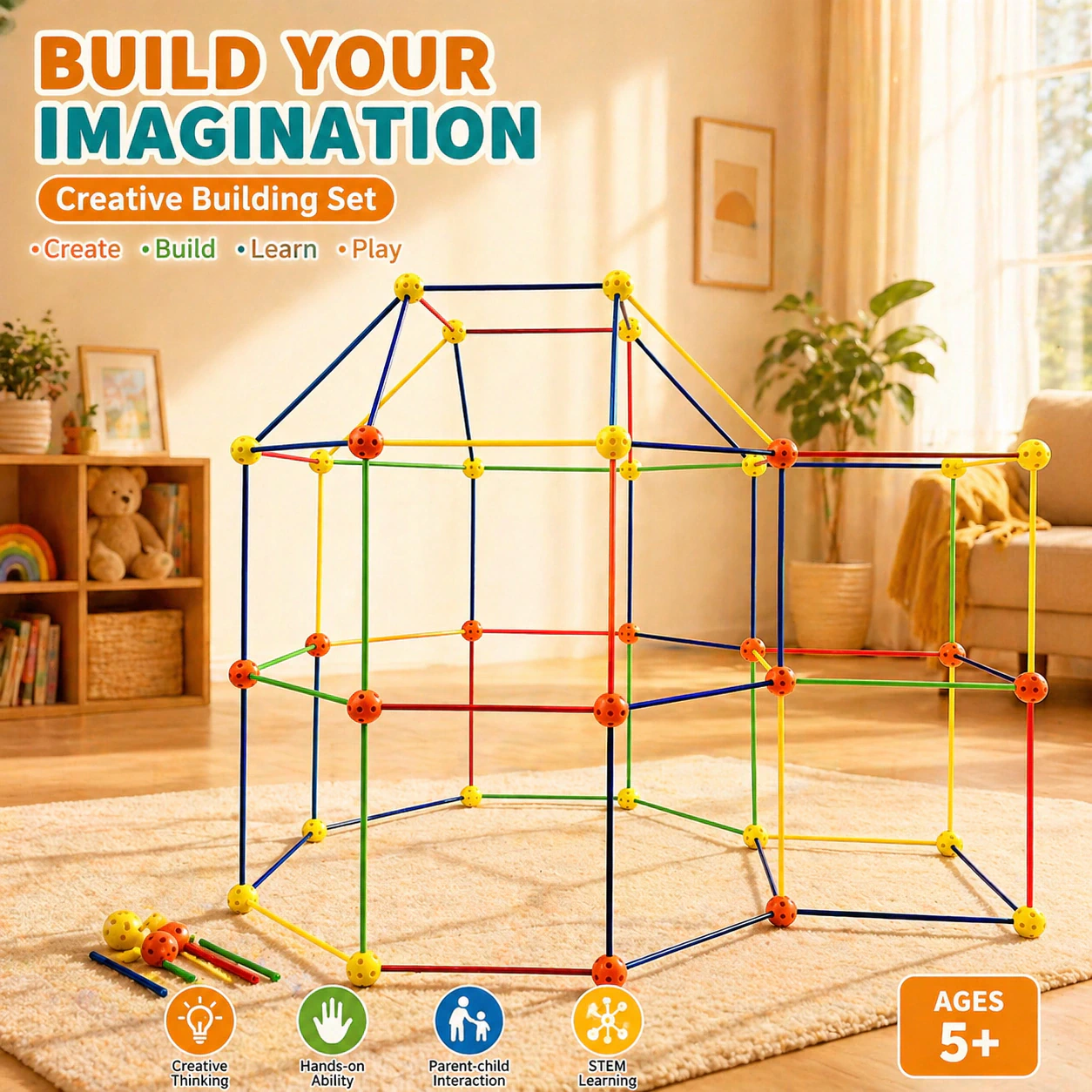
The first step is to define the exact product that will be sold. Buyers should confirm piece count, rod material, connector material, any fabric or flags, storage bag, manual, color box, and carton information. If the product has a glow feature, the claim should be specific and matched by the actual sample.
EU projects often involve several parties: brand owner, importer, distributor, lab, and factory. A clear product map helps each party understand which version is being discussed. This is especially important when one base fort system is sold in several package versions.
Changing a part after artwork approval can affect more than cost. It may require updated photos, warnings, technical files, or channel review.
Packaging language should not wait
Packaging for the EU market needs early coordination around languages, warnings, importer details, traceability information, and instructions. Buyers should not treat these as small items to add at the end. The box design, manual layout, and label space should reserve room for required information from the beginning.
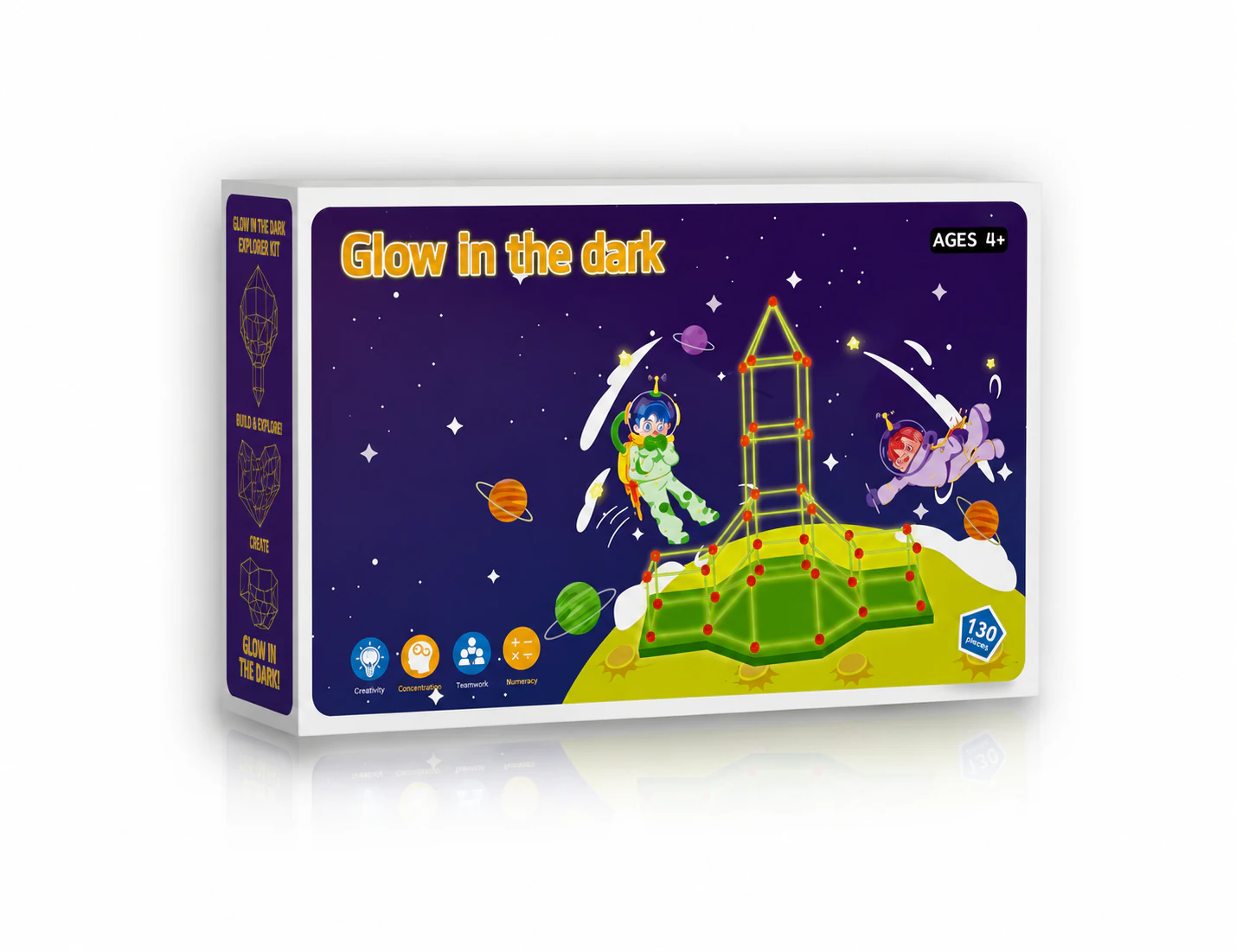
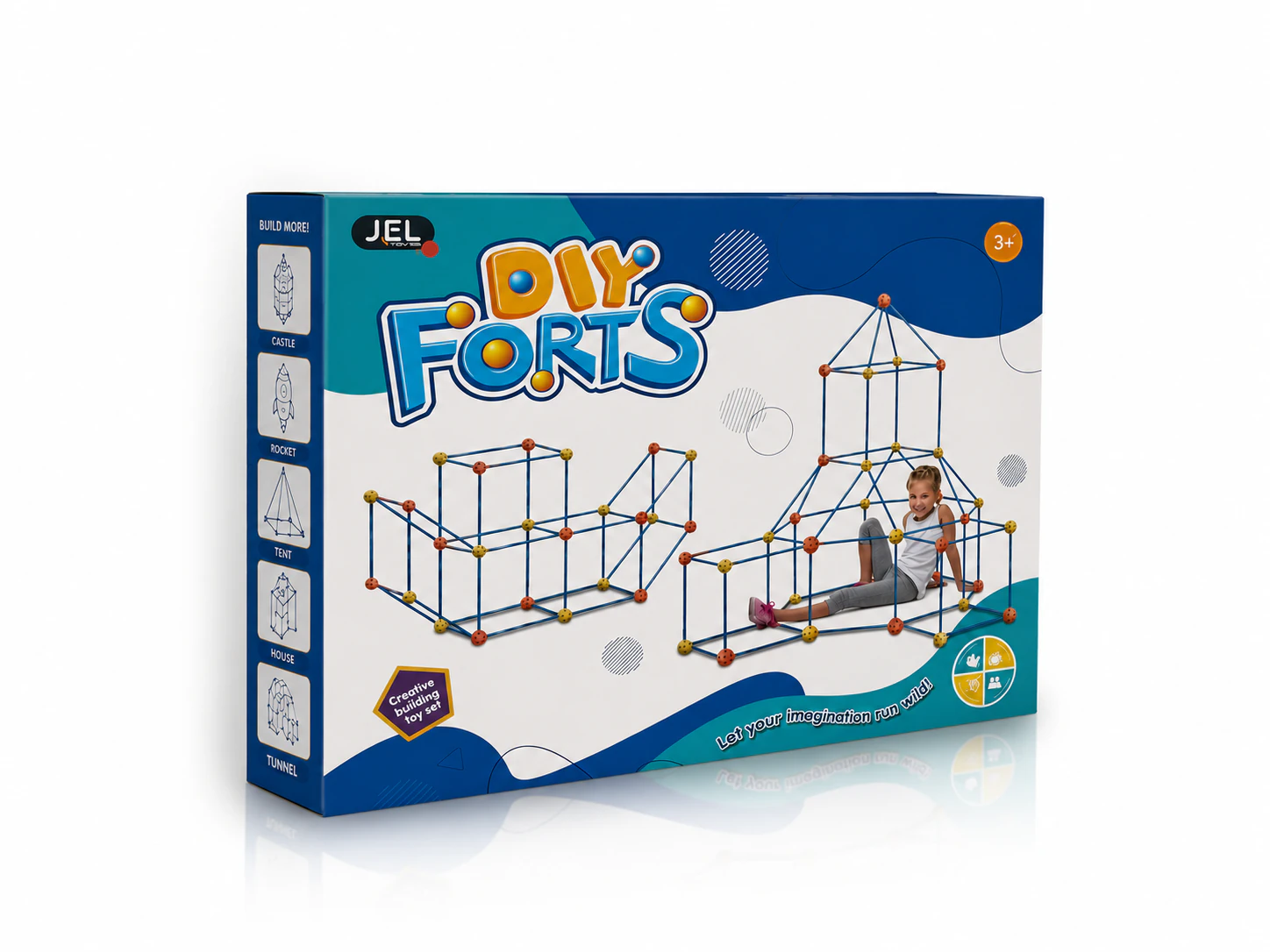
The Custom Glow in the Dark 130-Piece Fort Building Kit is a useful example because theme claims, piece count, and private-label artwork need to be checked together. A broader private-label base such as the Custom DIY FORTS Color Box Building Kit can be planned around different market languages and retail channels.
For a smoother process, buyers should provide the sales countries and importer information before packaging design is locked.
Keep files aligned with the sales version
Documentation becomes useful only when it matches the final product. A report or file connected to an earlier configuration may help discussion, but buyers should check whether the current sample, packaging, and sales claims are the same. This is especially important for custom colors, added accessories, revised instructions, or themed claims.
Digital-file readiness is also becoming part of toy project planning. Even before a channel asks for a full package, buyers can prepare organized product data: item name, SKU, batch logic, material notes, images, manual version, importer information, and test-file references.
| Preparation item | What to organize | Why to prepare it |
|---|---|---|
| Product map | Final parts, colors, materials, package | Keeps sample and artwork aligned |
| Market language | Box, manual, warning, label text | Reduces late layout changes |
| Traceability | Batch, importer, origin, SKU logic | Supports channel review |
| Digital files | Images, manual, reports, product data | Makes future audits easier |
How Yaoshun prepares EU-facing details
Yaoshun can help buyers organize custom fort kit projects around product configuration, sample confirmation, packaging direction, and export-ready information. For EU-facing projects, the team can discuss language requirements, carton marks, private-label artwork, and document expectations before mass production.
The best time to discuss these details is not after the first shipment date is close. It is when the buyer is still choosing the base SKU and deciding which custom elements truly matter. Early planning gives the factory a clearer target and gives the buyer a cleaner file trail.