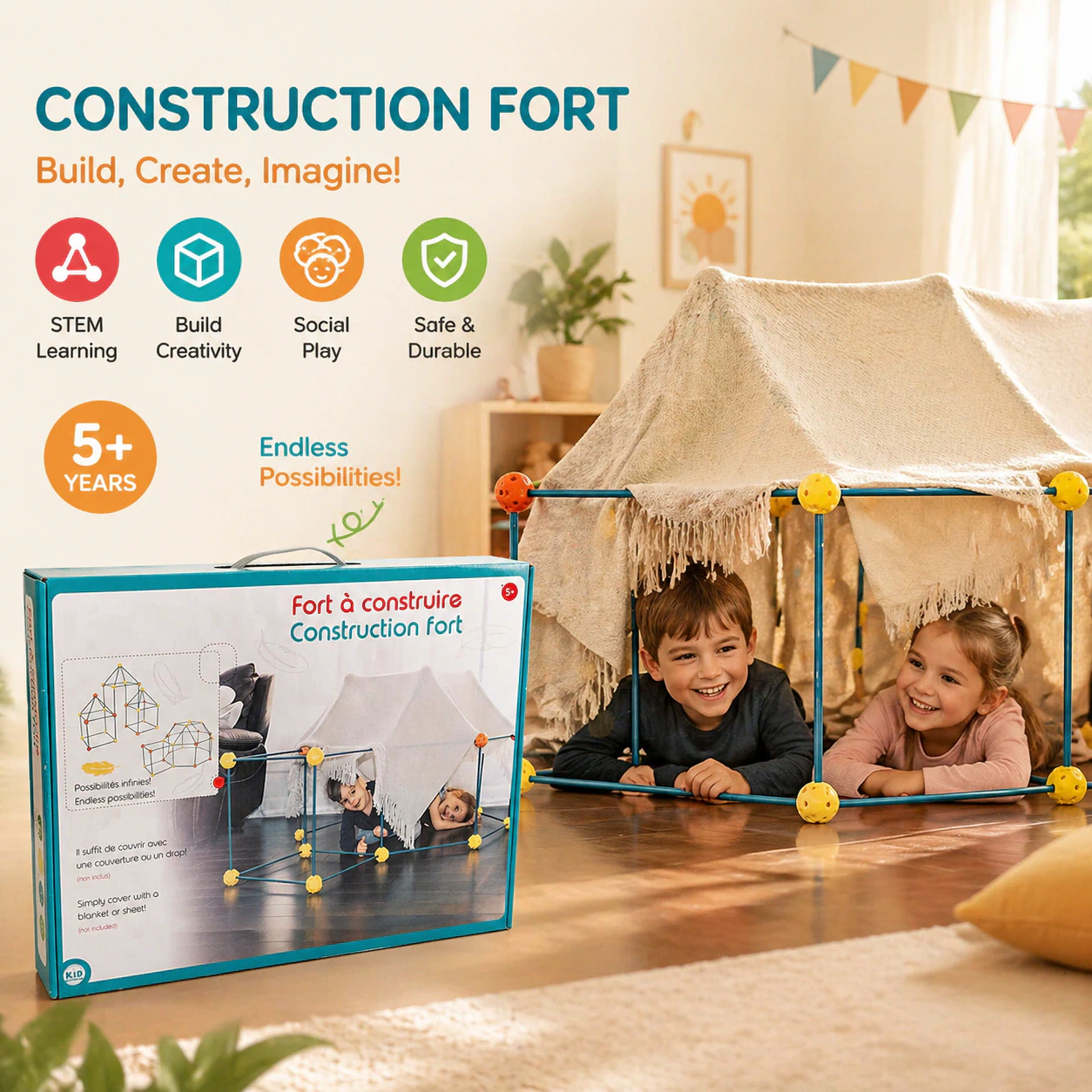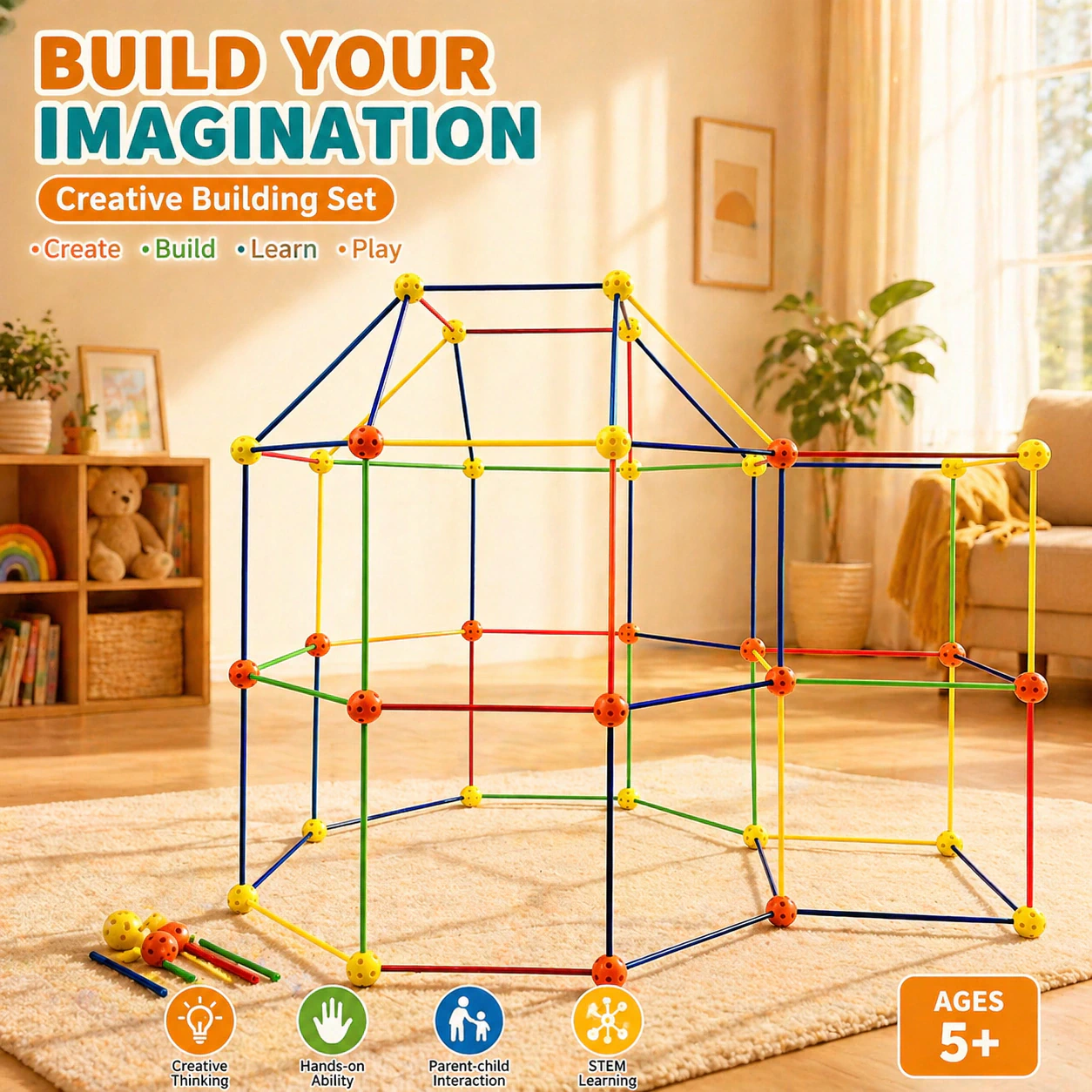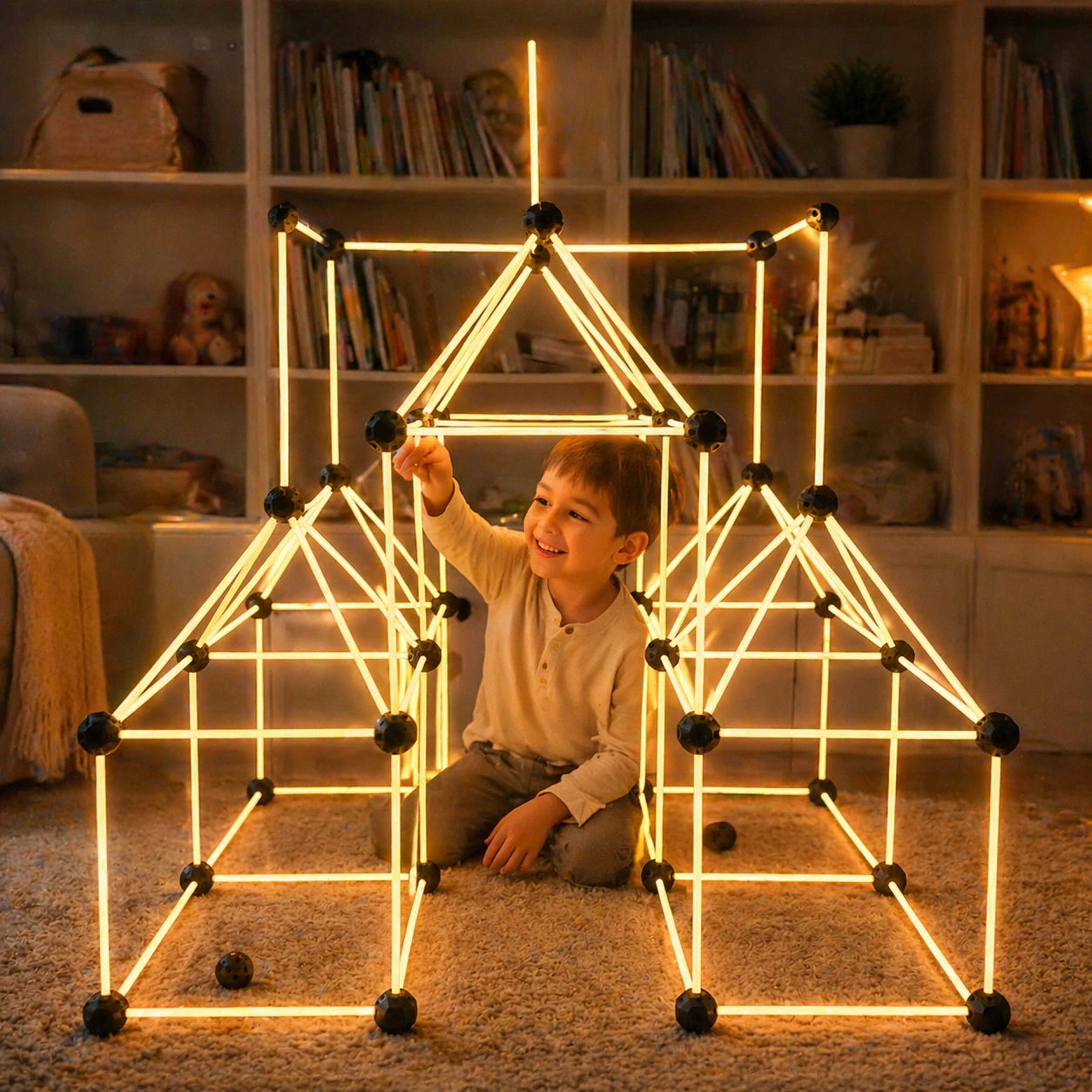
Fort building kits are not only family gifts. They can also work for schools, activity centers, holiday camps, libraries, community events, and parent-child programs. These channels care about different details than a single household. The question is not only whether the toy is fun. It is whether a group can use it smoothly, cleanly, and repeatedly.
For buyers in school and activity channels, the best product is usually the one that fits the session plan. How many children will build at once? How long should the activity last? Who explains the steps? Where do the parts go afterward? Those operational questions should shape the SKU choice.
Plan around group size
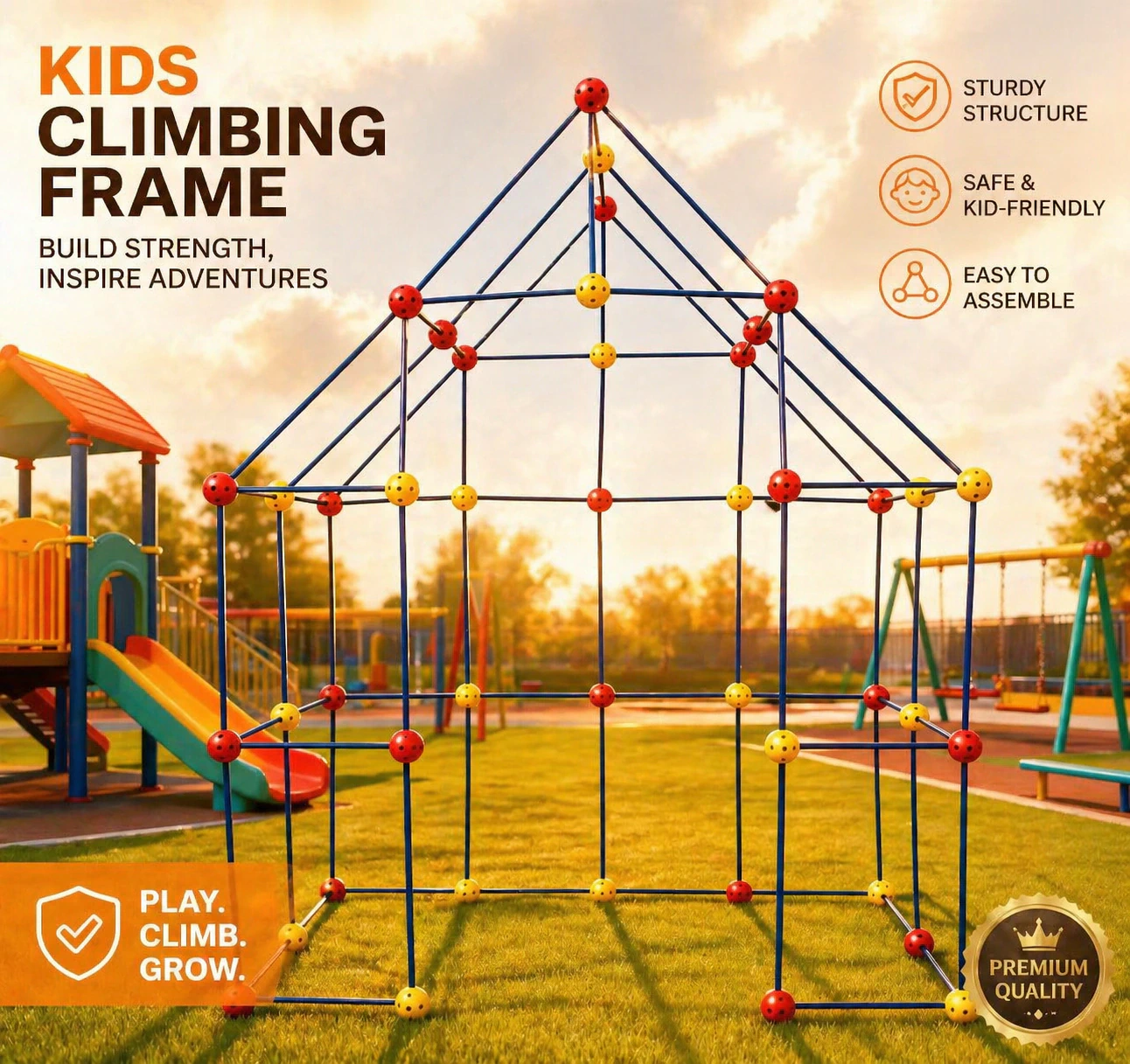
A kit that works well for one family may not automatically work for a classroom or event table. Group play needs enough parts for several children to participate without every child waiting for a turn. It also needs a structure plan that can divide tasks: base team, wall team, roof team, decoration team, and cleanup team.
Larger kits can create better group value, but only if the activity leader has a clear build path. Without a plan, a big pile of rods can become noisy and slow. For schools and activity programs, instructions should be easy for an adult facilitator to explain in a few minutes.
Buyers should decide whether the kit will be used by one group at a time or split into several small teams. That choice affects piece count and packaging.
Choose the kit by session length
A 20-minute activity needs a different kit than a 90-minute workshop. Short sessions need simple frames and quick wins. Longer programs can include testing, rebuilding, role play, and reflection. If the session length is unclear, the activity may feel rushed or unfinished.
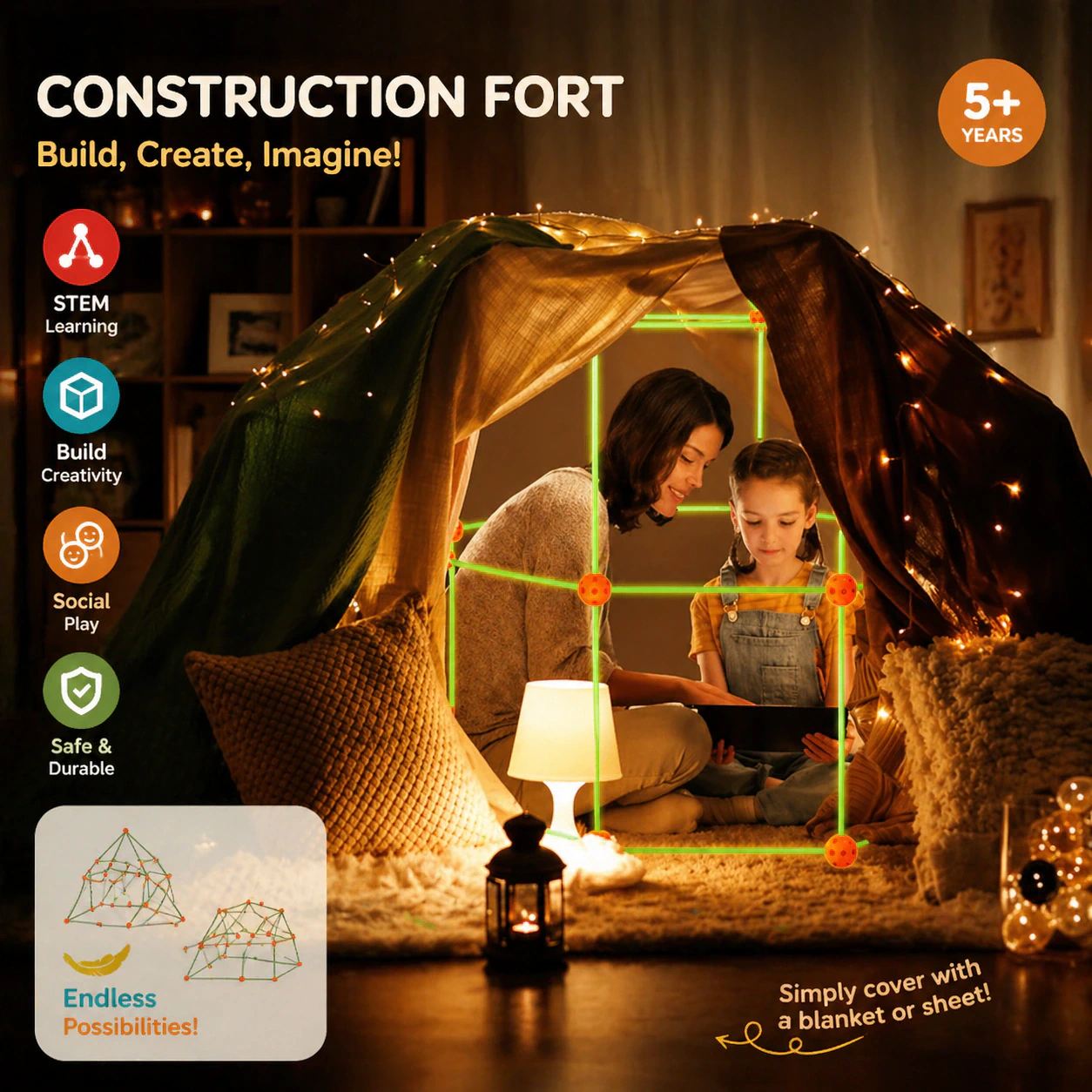
The DIY 228-Piece Tent Fort Building Kit for Parent-Child Play is suitable for longer group builds and larger room setups. A more focused configuration such as the 130-Piece STEM Construction Toy for Kids and Parent-Child Play can work for smaller groups or shorter structured sessions.
For channels that repeat activities weekly, a clear lesson or activity card can be as valuable as the parts themselves.
Operational details matter
School and activity buyers should ask operational questions early. Are the parts easy to count? Can the kit be stored between sessions? Are instructions durable enough for repeated use? Is there a simple way to identify missing rods or connectors? Can the surface be cleaned according to the channel's routine?
These details may not appear in a consumer-facing product photo, but they affect whether the product is chosen again. A kit that is easy to reset has higher value for teachers and facilitators.
| Channel need | On-site question | What to prepare |
|---|---|---|
| Classroom use | Can 4-6 children build together? | Group roles and clear first structure |
| Activity center | Can the session reset quickly? | Storage bag and part count guide |
| Holiday camp | Can builds change by theme? | Challenge cards and rebuild ideas |
| Library or event | Can adults explain it fast? | Simple instruction poster or card |
How to describe a school-channel order
A school or activity-channel brief should include age group, number of children per session, expected session length, room size, storage needs, package language, and whether multiple kits will be used together. If the buyer needs custom branding for an event, that should be discussed alongside the instruction format.
Yaoshun can help buyers choose between mid-size and large configurations, then adjust packaging, instruction cards, and image content for school, activity, or parent-child channels. The goal is to make the product easy for adults to manage and exciting for children to rebuild.