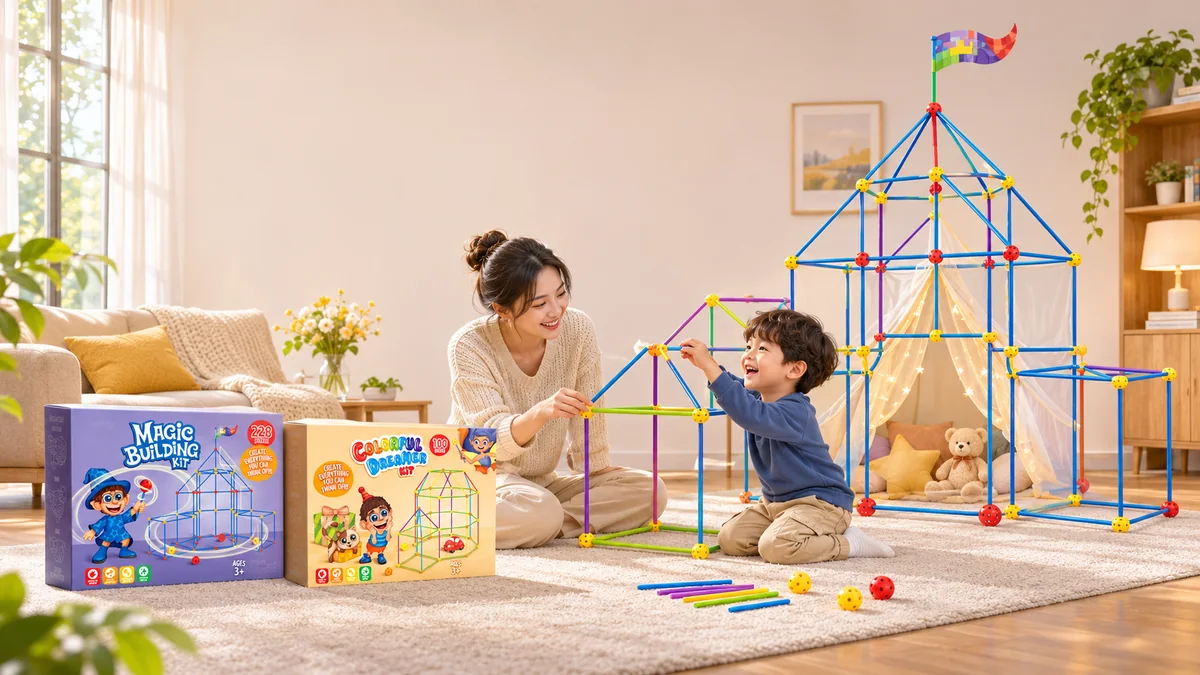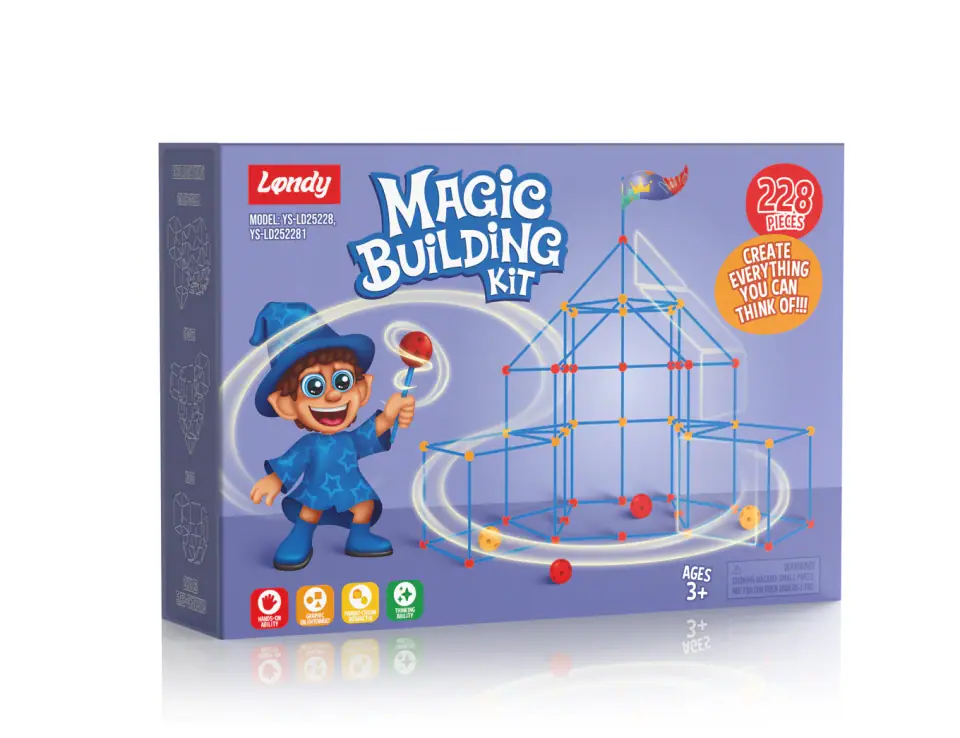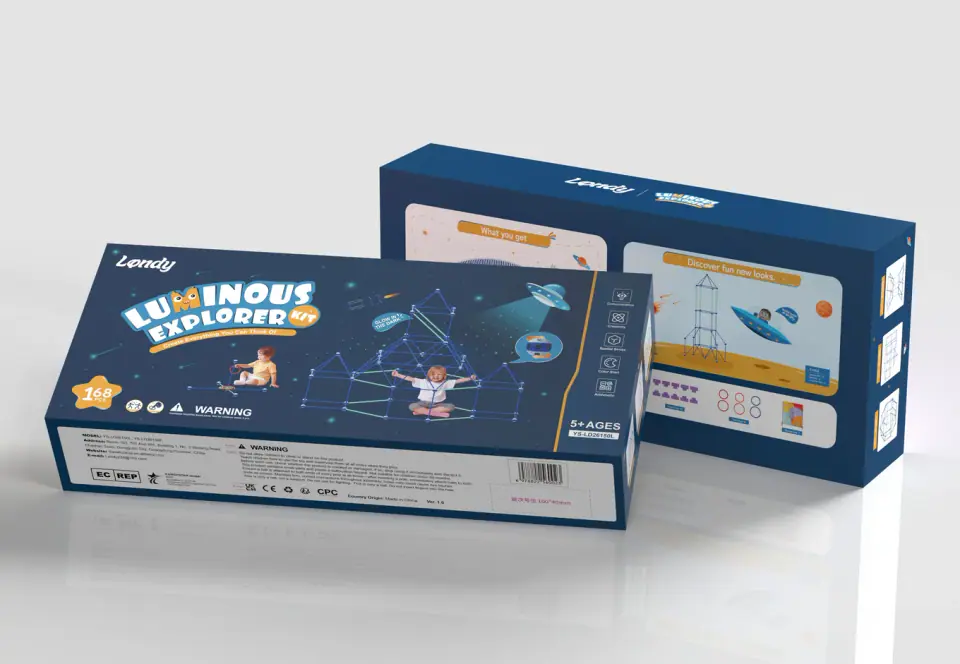
Educational toys are easiest to evaluate when the label is put aside and the actual play is observed. Does the child make decisions, use their hands, explain an idea, try again after a mistake and return to the toy later? Those questions reveal more than a long list of claimed skills.
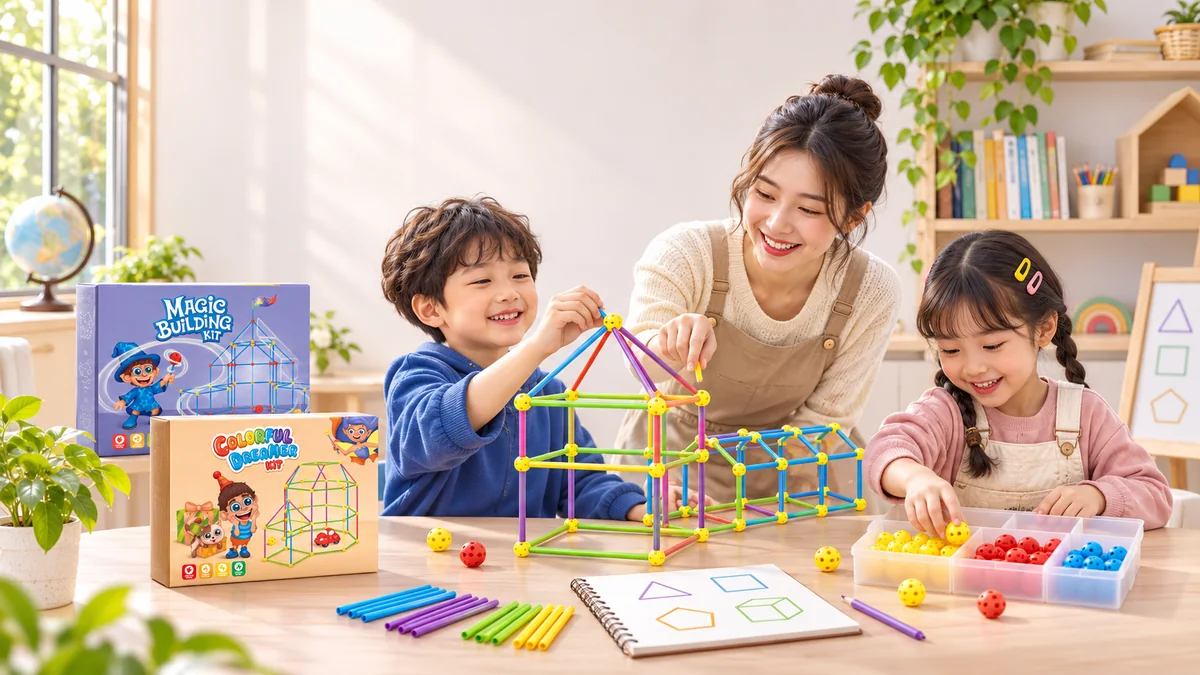
Start with the child’s real actions
Building blocks, puzzles, science kits, pretend-play sets, board games, coding toys and large construction kits create different kinds of activity. The strongest products give children a clear starting point and enough freedom to choose what happens next.
Open-ended building is a useful example. A child compares parts, decides where to connect them, notices when a structure is unstable and describes the next change. The learning sits inside the activity instead of being printed as a separate lesson on the box.
Five questions for choosing an educational toy
- Can the child start? The first step should be understandable, with only a reasonable amount of adult setup.
- Can the activity end in different ways? More than one possible result helps the toy stay interesting.
- Can the child continue after a failure? Parts should be removable, durable and supported by instructions.
- Does the challenge fit the child? The product should require effort without turning every step into adult work.
- Are the safety details clear? Age guidance, material information, warnings, cleaning and storage instructions should be easy to find.
Adult support works best when it leaves room
Adults can make a toy more valuable by joining the activity without taking control. Ask what the child is trying to make, what they noticed and what they might change. A parent can hold one side of a frame, pass a connector or help clear a safe working area.
For a fort-building kit, one session can begin with a small shelter, then move to a tunnel, a reading corner or a space-station mission. The same parts remain familiar while the problem changes.
Match the product to the setting
Families often value compact storage, repeat play, easy cleaning and parent-child interaction. Schools and activity providers need group capacity, replacement parts, clear activity steps and straightforward safety management. E-commerce teams need images and packaging that communicate the play quickly.
For projects sold in the United States, the applicable toy testing and Children’s Product Certificate work should be planned with the product and age range. European Union and United Kingdom projects require their own safety assessment, documentation and market requirements.
Repetition is part of the educational value
A child may build a house on the first day, a tunnel on the second day and a story space on the third. Rebuilding lets children compare choices and gradually make more complex plans.
When a child is willing to start, continue through a problem and explain what they made, the product has moved beyond a one-time novelty and into everyday learning.
Yaoshun construction toy recommendations
- 69-Piece Fort Building Kit is an approachable entry point for tents, castles and small dens. View product
- 100-Piece Colorful Fort Building Kit connects construction with role-play through colour, flags, a printed blanket and storage. View product
- 130-Piece Glow Fort Building Kit suits family STEM activities and themed play. View product
- 228-Piece DIY Parent-Child Fort Building Set supports larger structures and shared roles. View product
Yaoshun can adjust piece counts, colours, packaging language and activity themes for retail, education programs and branded gifts.