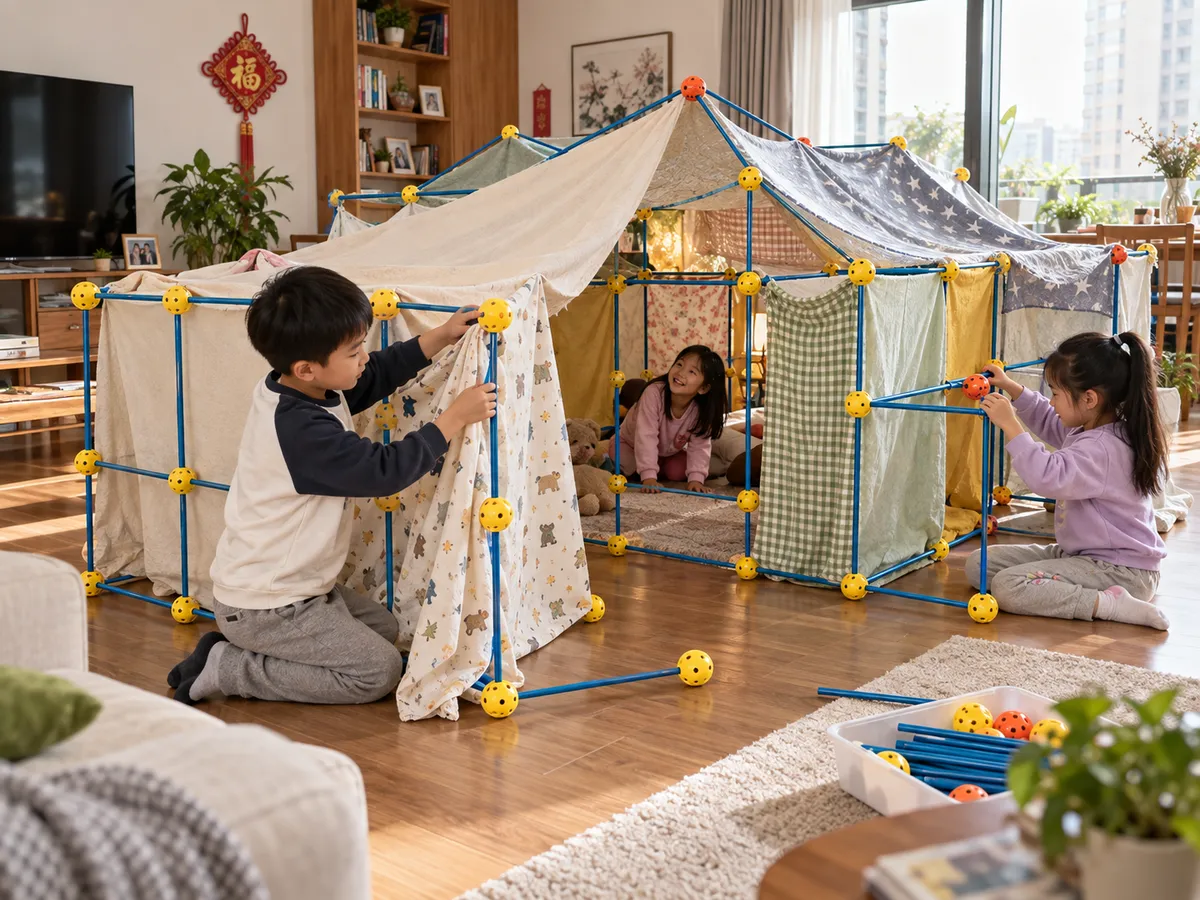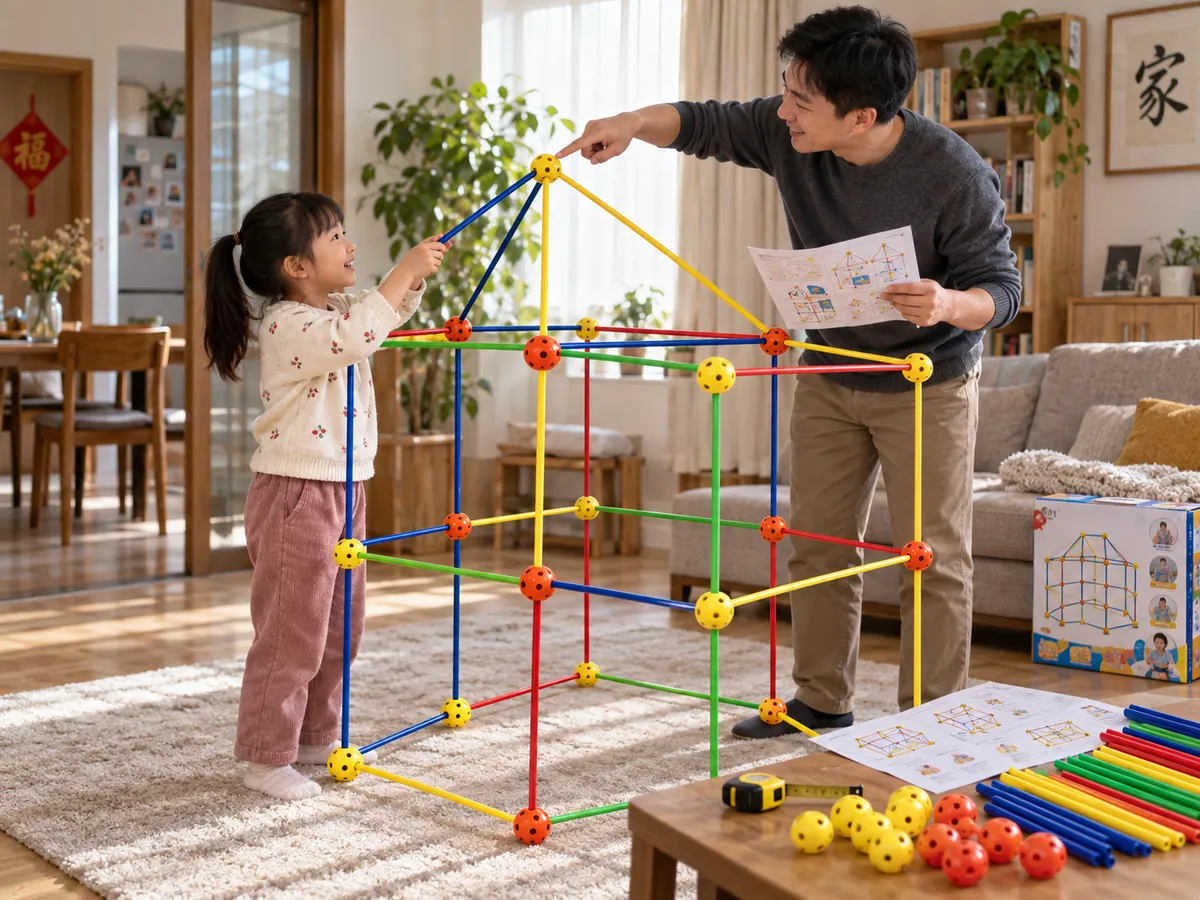
Block play is often discussed in early childhood education because it lets children plan, describe, negotiate, and revise. Fort building toys keep that same logic, then scale it up into a structure children can actually enter.
That difference is easy to see in use. Parents can photograph the finished space, and children can turn it into a shop, base, tunnel, or reading corner.
From stacking blocks to planning spaces
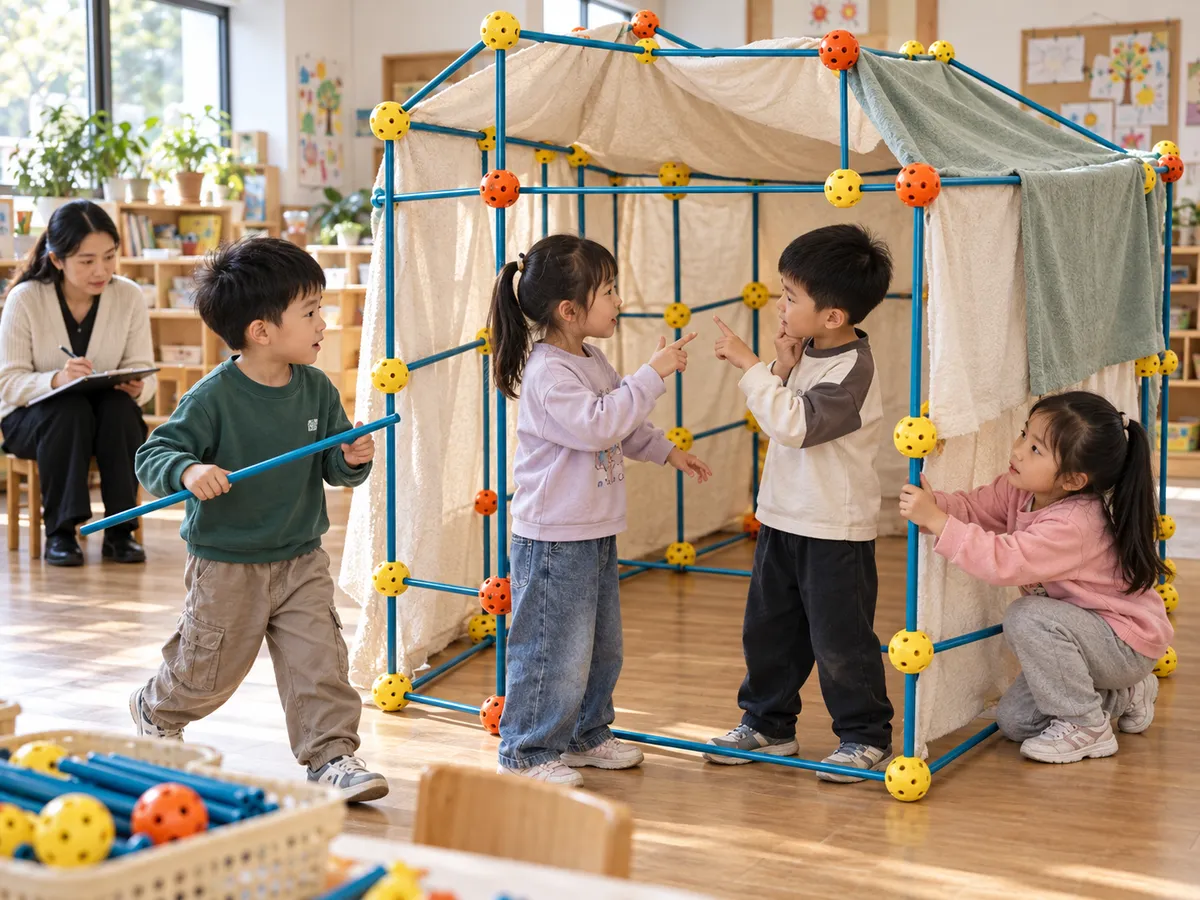
Classic blocks help children understand balance, symmetry, and sequence. Fort building adds another layer: the child has to think about entrance height, interior room, roof direction, and whether another person can fit inside.
That shift makes the play more social. Children talk about who sits where, how to connect two rooms, and what the finished base is supposed to become. Language becomes part of the construction.
- Use smaller sets for first builds and quick success.
- Use 100-piece and 120-piece sets when families want a more complete play space.
- Show rebuild examples so parents understand the repeat value.
Why secret-base stories work
A fort is not only a frame. To a child, it can be a shop, spaceship, quiet reading corner, rescue station, or private base. That story layer is what keeps the product from feeling like a one-time construction puzzle.
The 120-Piece Secret Base Fort Building Kit is suitable for sturdier structures and multi-child cooperation. The 72-Piece Secret Base Fort Building Kit gives customers an entry-level option for smaller rooms, lower price bands, or first-time customers.
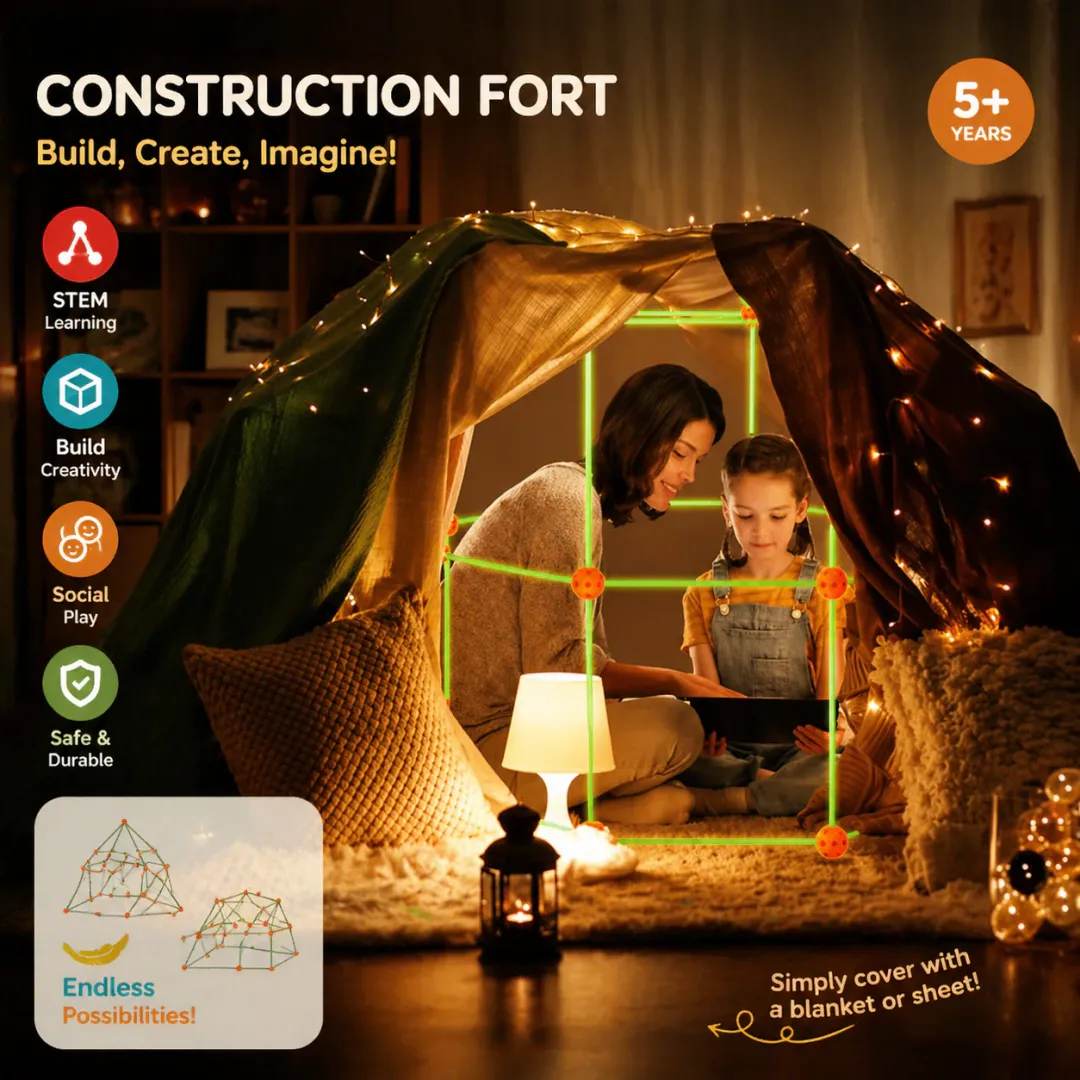
Start from real play scenes
A fort kit should not be shown only as a pile of rods and balls. A better image set shows the build sequence, the finished space, and the child using it afterward. That is where the developmental value becomes clear without sounding like a classroom lecture.
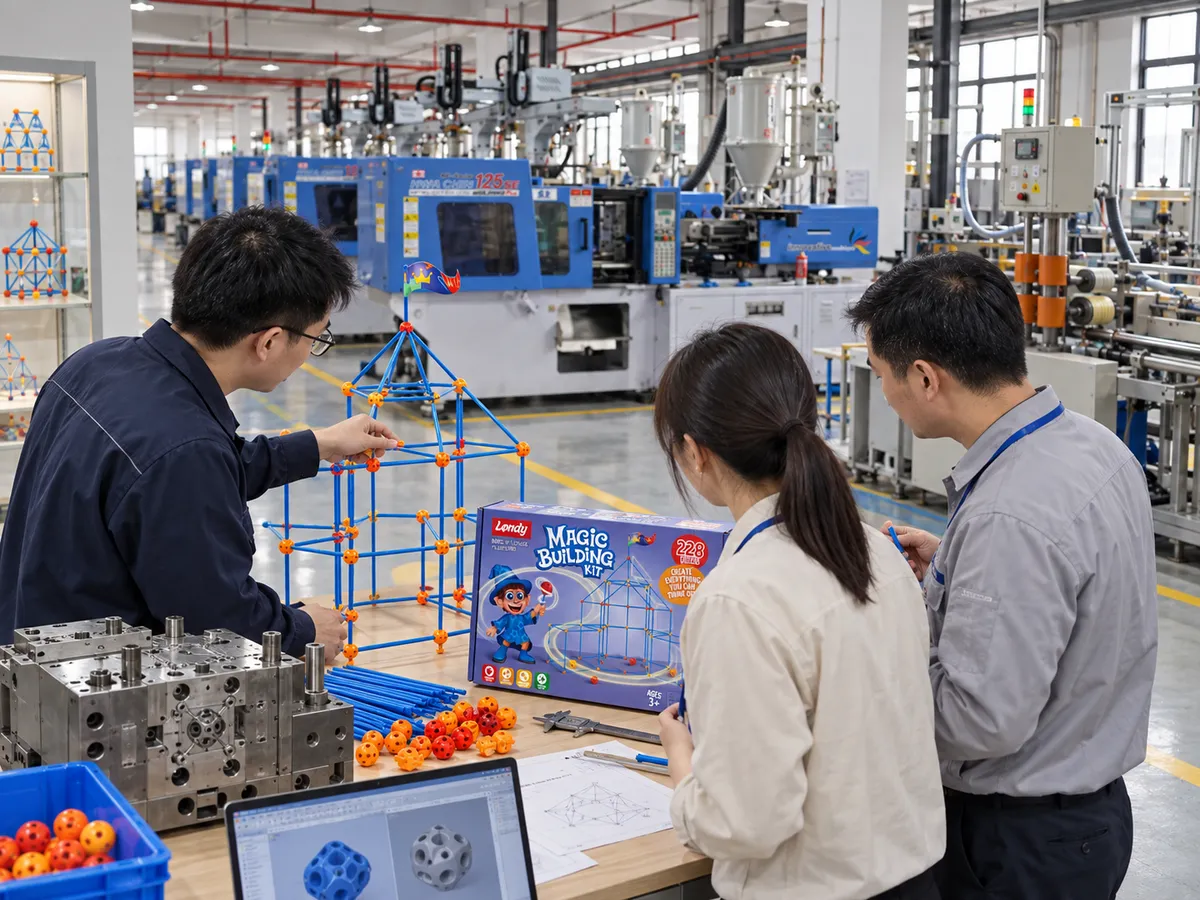
Yaoshun supports custom packaging, product images, and page-content support for fort building toys. Retailers and brands can start from the product catalog at www.yaoshuntoys.com/products and select a configuration that fits their target age group and price band.
Block Play Value Becomes More Concrete In Fort Building
Child-development and education discussions have long paid attention to block play because children express ideas, cooperate, understand spatial relationships, and gain confidence after finishing a build. Fort building extends that experience from the tabletop to a child-sized space.
When children crawl into a base they built themselves, the toy becomes more than a part system. It supports role play, reading, and social interaction. For product development, that flexibility matters more than a single finished shape.
A 120-Piece Kit Balances Group Play And Storytelling
A configuration such as 120-Piece Secret Base Fort Building Kit balances size, price, and play value. It can support tents, secret bases, and tunnels while still fitting kids gift and family activity channels.
| Play extension | Child-development experience | Page and box scene |
|---|---|---|
| Building together | Negotiating roles and explaining ideas | Family activity and group-play scenes |
| Testing the frame | Observing stability and correcting plans | Educational construction and spatial thinking |
| Entering the space | Role play, reading, and storytelling | Kids gift and home-play scenes |