February 10, 2026 · Science Explainer · Material Selection Guide
PU Vs PVC Tubing: Selection Tips For Toy Applications
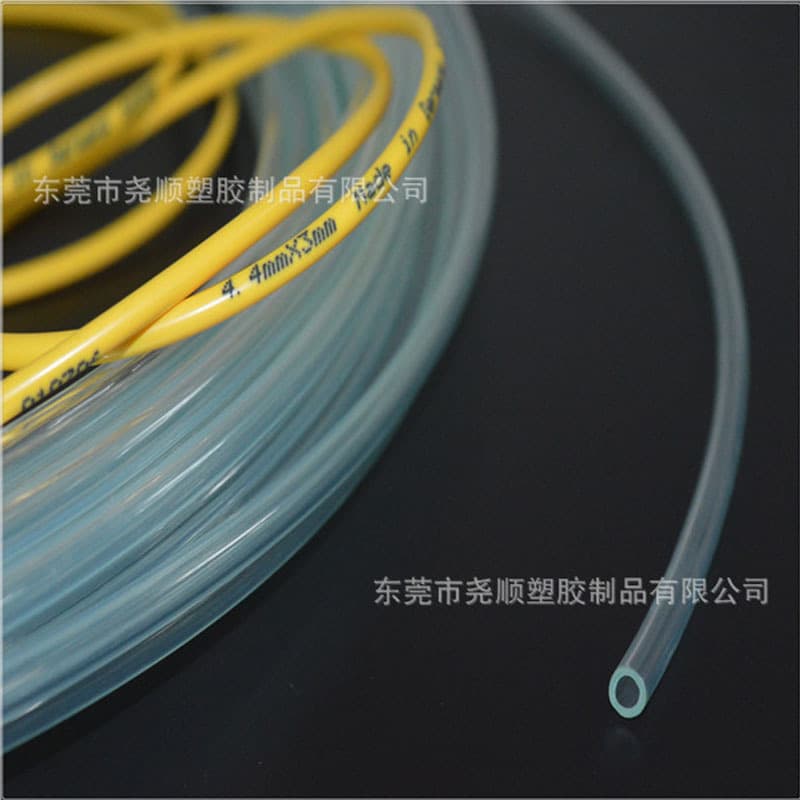
PU and PVC tubing each fit different toy scenarios; choosing by function, compliance, and process stability avoids late-stage rework.
PU tubing is often preferred for flexibility and abrasion resistance, while PVC usually provides cost and processing stability for protective sleeves and routing channels. Selection should match use case, compliance target, and expected service life.
Function-First Decision Path
If flexibility and abrasion resistance are core, PU is usually preferred. If cost stability and broad process compatibility matter more, PVC is often selected.
Do not evaluate by material name only. Thickness range, bend radius, and connection method change the final answer.
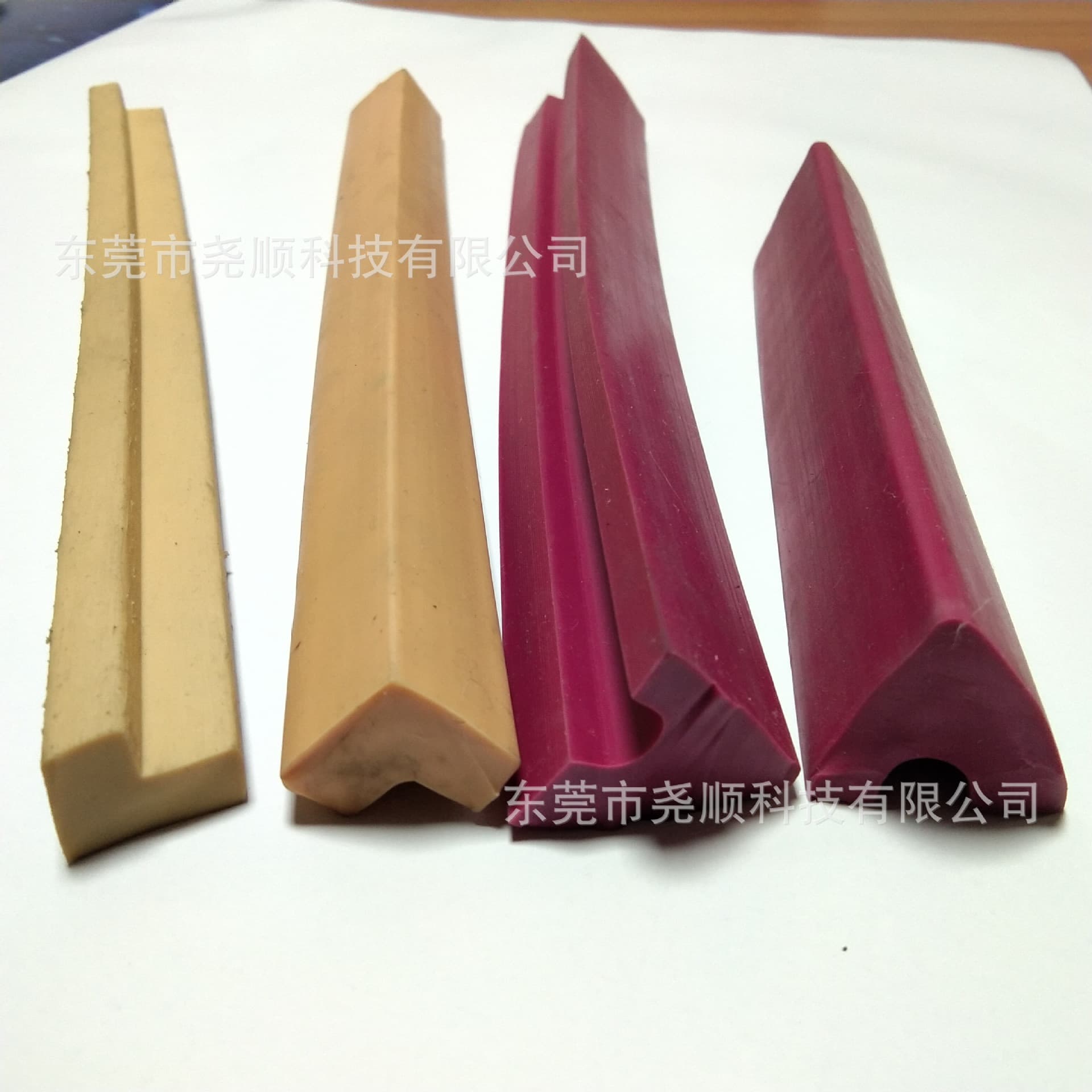
Balance Compliance And Cost
After technical screening, check target market compliance and supplier capability to avoid passing lab tests but failing mass execution.
Pilot-level comparison with the same geometry is the fastest way to align buyer expectations on both performance and cost.
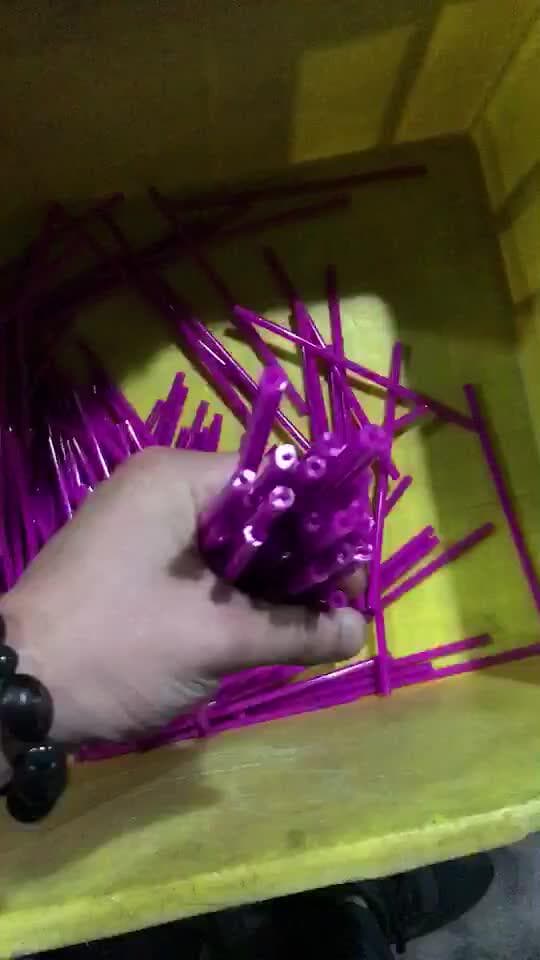
Tube Selection Checklist
1. Define function priorities before material discussion.
2. Use same geometry for PU and PVC pilot comparison.
3. Check compliance target and supplier process capability together.
Source Note
Prepared from Yaoshun toy, tube, and equipment project practices plus public product modules. Snapshot date: April 12, 2026.